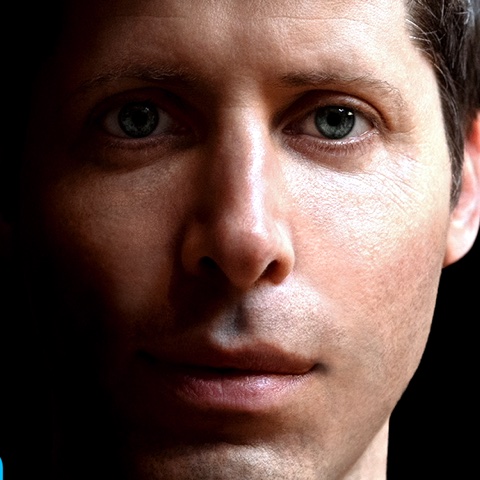
# Sam Altman 在联合国安理会(United Nations Security Council)的讲话 今天,OpenAI CEO Sam Altman 就人工智能向联合国安理会发表讲话。他讨论了 AI 扩展机遇的潜力、将强大系统置于人类控制之下的重要性,以及在 AI 安全上开展国际合作的必要性。 Today, OpenAI CEO Sam Altman addressed the United Nations Security Council on artificial intelligence. He discussed AI’s potential to expand opportunity, the importance of keeping powerful systems under human control, and the need for international cooperation on AI safety. Remarks as delivered Thank you, Mr. President and your Excellencies. I’m honored to be here and to be able to speak with you all at this important time. We have been talking about artificial intelligence for years, but it feels different in recent weeks and months. Rapid model progress has made the timeline feel more compressed, the upside more tangible, but also the stakes and the risks more immediate. We have a choice in front of us. AI can either be more like a new Renaissance of creativity and discovery, or more like a new Industrial Revolution of upheaval and disarray. The Renaissance was a time when new tools, new ideas, and new institutions expanded what people believed they could do. AI can play that role for our time. I believe that people are much more capable than they imagine themselves to be, but have been held back by limited technology that was meant to empower but instead distracts and often steals attention. 
## 讲话全文(按发表原文) 主席先生、各位阁下,谢谢你们。我很荣幸能来到这里,并在这样一个重要时刻与诸位交谈。 我们谈论人工智能已有多年,但在最近几周和几个月里,感觉有所不同。模型的快速进步使时间表显得更加紧迫,上升空间更加具体可感,但同时也使利害关系与风险更加迫近。 我们面前有一个选择。AI 既可能更像一场创造力与发现的新文艺复兴,也可能更像一场伴随动荡与失序的新工业革命。 文艺复兴是一个新工具、新思想与新机构拓展了人们相信自己所能作为之事的时代。AI 可以为我们的时代扮演这样的角色。我相信,人们的能力远超他们自己的想象,只是一直受限于那些本应赋能、却反而使人分心、且常常夺走注意力的有限技术。 最好的 AI 版本,不是把人变成巨大机器中的齿轮,也不是把生活的每一部分优化到人的成分消失殆尽。它是在一个愈发复杂的世界中给予人们更多的能动性(agency):更多的学习、创造、发现、构建与参与的能力。有许多事情是 AI 不能——也不应——自动化的。 AI 应当为人而构建,而不只是为了机器自身的缘故而更快转动曲柄。一些致力于构建 AI 的人所说的话,是如此反乌托邦,听起来像糟糕的科幻电影情节。 任何如此强大的东西也都令人生畏。这一时刻很复杂,因为我们同时感受到巨大的潜力与非常可以理解的焦虑。 这些模型可以帮助人们发现新知识:新药物、更好的医疗保健、更强的教育,以及建设更高生产力的经济。它们可以成为人们追求今天看似遥不可及的梦想与抱负的新工具。对普通人而言,生活的复杂性急剧上升。AI 既可以成为这种复杂性的防御性工具,也可以是前所未有的发现与创新工具。 另一方面,随着 AI 系统变得更有能力、更自主,它们可能比我们的制度走得更快,将权力集中在过少的人手中,或做出人们不再理解或无法控制的决定。 当我们接近那些能够改进自身、以及改进其未来版本的系统时——通常称为递归自我改进(recursive self-improvement)——这一关切变得尤为重要。随着构建 AI 的过程变得更加自动化,AI 进步的步伐可能迅速加快。这一时刻要求极其审慎。 我基本同意 Bengio 教授的看法。不过我要说「两种」而不是「三种」——我相信 AI 的进步有两条可能严重出错的道路,我们必须避免。 第一,我们可能把未来失控于 AI。风险在于它移动得太快,以至于人们再也无法跟上正在发生的事,或在需要时加以干预。这显然会很糟糕。 行业绝不能仅仅因为益处太大、感觉太重要而不能放慢,就接受过多的技术风险。在竞争节奏上击败其他公司,并不是做出鲁莽决定的理由。我们也不认为我们被锁定在一场无法放慢的竞赛中。我们过去曾单方面放慢过速度。未来我们也会这样做。我们不希望构建这样的系统——我们认为,每个人都应避免构建那些我们无法就其做出对齐(alignment)、可监控性(monitorability)与安全性保证的系统。 我们需要理解这些系统在做什么,并拥有强有力的证据表明它们会按人们的意图行事,即使它们变得非常、非常聪明。事实上,尤其是当它们变得非常非常聪明时。人们把灾难风险定为 10%、1%、12% 还是 0.1%,都无关紧要。这些水平没有一个是可以接受的。我们不应训练那些我们无法极有力证明能够保持在人类控制之下的模型。 这就是事情可能出错的一条路。另一个方向上,这些系统可能把过多权力集中在过少的人手中。任何个人、公司或国家都不应能够使用最强大的 AI 模型,将其世界观强加于其他所有人。一家相信只有自己值得被托付这项技术的公司或国家,可以用这种信念为几乎任何其他事情辩护。我们必须拒绝这种逻辑,即便它对任何一个行为体而言很方便。 我相信存在一条穿越这两者的务实道路。在 OpenAI,我们以一个清晰的目标来处理这些问题:AI 应当给予人们更多掌控自己生活的力量。更多的自由,以他们想要的方式生活。更多的能力,去解决或大或小的问题,并改善他们的社区。我们不想落入盲目乐观的陷阱。我们也不想落入末日论(doomerism)的陷阱。被卷入任一极端,都无法帮助我们成功弄清面前的挑战,尤其是在世界及其人民面临如此巨大、而这项技术有助解决的挑战之时。因此,我们努力在这两极之间走中间道路。 对我们而言,这意味着三项原则。 第一,随着 AI 变得更有能力,人们必须始终处于 AI 决策的中心。对齐不是一个抽象的研究问题。它是这样一项工作:确保这些系统可靠地保持在人类控制之下,反映人类价值观,并帮助人们引导开发的后续阶段。我们不是试图、也绝不能将人类判断或人类价值观自动化。 第二,科学进步与经济增长的成果必须为人民所享有、为人民所服务。AI 应帮助研究者做出发现,医生治疗病人,教师教导学生,创业者创办公司,社区解决那些曾感到遥不可及的问题,以及更多。人类进步不断延续的故事,并不是工具取代人的能动性。而是正确的工具使人更有能力,而我相信这将会比我们以为的可能更进一步。 第三,这项技术必须逐个地赋能于人。一个美好的未来,将来自于人们实现自身潜能,为他们自己、他们的社区、他们的国家与更广阔的世界创造价值。我们或许是该技术的构建者之一,但我们不是这个故事里的英雄。我们的角色是赋能全世界的人们,并信任人类技艺与才能的魔力。 如今,我们拥有的模型能够发现我们从未拥有过的知识。想想我们在数学上看到的进展。三个夏天前,我们的模型对小学数学还可以。两个夏天前,它们在高中数学竞赛中相当不错。去年夏天,我们在最负盛名的国际数学竞赛中达到了金牌水平。而就在今年夏天的几周前,我们的一个模型解决了千禧年大奖难题(Millennium Prize Problem)之一——纳维-斯托克斯方程(Navier-Stokes equations)。 这些方程用于飞机设计、天气预报和血流研究。我们解数学问题并非为其本身,而是为了赋能人们发现新知识,并用它改善医疗保健、提高生活水平、扩展全球每个人的潜能。仍有如此多的东西有待发现。 但非常重要的是,公司不能取代民主进程。 如果 AI 要是民主的,最重要的决定就不能仅由旧金山的一些实验室做出。它们必须通过民主进程、由对其所服务人民负责的政府来塑造。 在国际层面上,这需要合作。在我们的历史上,曾有过这样的时刻:彼此竞争、且并不总是十分喜欢的国家,在面对一项强大的新技术时,仍然为了共同利益与集体福祉走到一起。我们相信,这必须是这样的时刻之一。 我们需要一种机制,建立互补的国家与国际前沿 AI 标准:用于衡量能力、评估风险、判定保障措施是否充分,以及在系统变得更加自主时保留有意义的人类监督的标准。 我们需要共同标准,使各国能够比较证据、核验合规,并对正在发生的事情拥有共同的语言与理解。 我们需要准确而迅速的事件报告、分类与报告协议,使世界能够在失败演变为灾难之前从中学习。 我们还需要政府、关键基础设施运营方与技术专家之间的安全渠道,以共享新出现的漏洞与新威胁。 显然,这些标准不应锁定现有企业,或偏袒某一种商业模式。它们必须支持开放与闭源的模型开发者、新进入者与既有实验室、国家权威与国际合作。每个政府都应决定如何将标准纳入自己的法律体系。但如果我们就全球舞台上什么是好的证据、好的保障与好的监督达成一致,我们所有人都会过得更好。 我们并非拥有所有答案,我们非常乐意接受任何更好的想法。我们已准备好与诸位合作,并尽最大努力找出前进的道路。 我们正处在一个十字路口。一条路通向这样一个世界:权力集中,决策不透明,人们觉得他们一生中最重要的技术是对他们做的一件事。另一条路通向这样一个世界:AI 为人们服务,因为人们通过民主制度帮助决定它应如何发展并对其加以引导;科学进步改善真实的生活;更多人能够参与未来;这项技术持续赋予个人与社区更大的力量,按自己的选择生活。这是一个潜能得以实现、充满兴奋与惊奇的未来。 而这是我们认为值得建设的未来。非常感谢诸位。 【译注二则: 1. 原文「we reached a gold-medal level...」「one of our models solved one of the Millennium Prize Problems, the Navier-Stokes equations」为讲话中关于模型能力的事实性主张,本译文按原文照译,未在源文之外核实;年代(「Nov 16, 2026」出现在网页相关条目)与模型代号按原文保留,标记为待核实。 2. 原文此后为网页导航壳层内容(Global Affairs、Author、Keep reading、Safety/Global Affairs 日期条目、Research Index、GPT 型号列表、ChatGPT 各版本、API 登录等站点链接),非正文,依项目惯例不译。 3. 初译中曾出现的个别英文残留(tangible、remotely、themselves)已在自检时清除,中文表述已统一。】 The best version of AI is not about making people cogs in a giant machine, or optimizing every part of life until the human parts disappear. It is about giving people more agency in an ever more complex world: more ability to learn, to create, discover, build, participate. There are many things that AI cannot—and should not—automate. AI should be built for people, not simply to turn the crank of the machines faster for their own sake. Some of the things people working to build AI have said are so dystopian that they sound like the plot of bad science fiction movies. Anything this powerful is also intimidating. This moment is complicated as we feel both tremendous potential and very understandable anxiety at the same time. These models can help people discover new knowledge: new medicines, better health care, stronger education, and build more productive economies. They can be new tools for people to pursue dreams and ambition that today feel out of reach. The complexity of life has increased so dramatically for the average person. AI can be a defensive tool against this complexity as much as it can be this tool of unprecedented discovery and innovation. On the other hand, as AI systems become more capable and more autonomous, they could move faster than our institutions, concentrate power in too few hands, or make decisions that people no longer understand or control. That concern becomes especially important as we approach systems that can improve themselves and future versions of themselves, often called recursive self-improvement. As the process of building AI becomes more automated, the pace of AI progress could accelerate rapidly. This moment calls for extreme care. I largely agree with Professor Bengio. Although I’ll say two instead of three—I believe there are two ways that AI progress could go very badly that we have to avoid. First, we could lose control of the future to AI. The risk is that it moves so fast that people can no longer follow what’s happening or intervene when needed. This would obviously be terrible. The industry must not accept too much technological risk just because the benefits are too great and that they feel too important to slow down. Beating companies in a competitive pace is not a reason to make rash decisions. Nor do we believe we are locked in a race where we are unable to do that. We have unilaterally slowed down in the past. We will do so in the future. We do not want to build systems—we think it’s important that everyone avoids building systems—where we cannot make the alignment, monitorability, and safety guarantees that we must. We need to understand what these systems are doing and have strong evidence that they will do what people intend, even as they get very, very smart. Actually especially as they get very very smart. It doesn’t matter whether people put the risk of catastrophe at 10%, or 1%, or 12%, or .1%. None of these levels are remotely acceptable. And we should not train models that we cannot make an extremely strong case that we will be able to keep under human control. So that’s one way things can go wrong. In the other direction, these systems could concentrate too much power in too few hands. No one person or company or country should be able to use the most powerful AI models to impose their worldview on everyone else. A company or country that believes only it can be trusted with this technology can use that belief to justify almost anything else. We have to reject that logic, even when it’s convenient for any one actor. I believe there is a pragmatic path through both of these. At OpenAI, we approach these questions with a clear goal: AI should give people more power over their own lives. More freedom to live lives the way they want. More ability to solve problems, big or small, and to improve their communities. We don’t want to fall into the trap of blind optimism. We also don’t want to fall into the trap of doomerism either. Getting pulled into either extreme will not help us successfully figure out the challenges in front of us, especially at a time when the world and its people face such enormous challenges that this technology can help solve. So we try to walk the middle path between these two poles. For us, that means three principles. First, as AI becomes more capable, people must remain at the center of AI decision-making. Alignment is not an abstract research question. It is the work of ensuring that these systems reliably remain under human control, reflect human values, and help people guide the next stages of development. We are not trying to, and must not, automate human judgment, or human values. Second, the benefits of scientific progress and economic growth must be by people and for people. AI should help researchers make discoveries, doctors treat patients, teachers teach students, entrepreneurs start companies, communities solve problems that felt out of reach, and much more. The continuous story of human progress is not that tools replace human agency. It is that the right tools make people more capable, and I believe this is going to go much further than we believe possible. Third, this technology must empower people individually. A great future will come from people realizing their potential and building value for themselves, their communities, their countries, and the broader world. We might be one of the builders of this technology, but we are not the heroes of this story. Our role is to enable people all over the world and to trust in the magic of humanity’s skill and faculties. We now have models capable of discovering knowledge that we have never had before. Consider the progress we’ve seen in math. Three summers ago, our models were okay at grade-school math. Two summers ago, they were pretty good at high-school math competitions. Last summer, we reached a gold-medal level in the most prestigious international math competition. And just a few weeks ago this summer, one of our models solved one of the Millennium Prize Problems, the Navier-Stokes equations. These equations are used for aircraft design, weather forecasting, and the study of blood flow. We are not solving math problems for their own sake, but to empower people to discover new knowledge and to use it to improve healthcare, raise standards of living, and expand everyone’s potential around the world. There remains so much to be discovered. But it’s very important that companies not substitute for the democratic process. If AI is to be democratic, the most important decisions cannot be made by labs in San Francisco alone. They must be shaped through democratic processes, and by governments accountable to the people that they serve. At the international level, this will require cooperation. In our history, there have been times where countries who compete and don’t always like each other very much still come together for shared interests and the collective good in the face of a powerful new technology. We believe this must be one of those times. We need a mechanism for complementary national and international frontier AI standards: standards for measuring capabilities, assessing risks, determining whether safeguards are sufficient, and preserving meaningful human oversight as systems become more autonomous. We need common standards so countries can compare evidence, verify compliance, and have a shared language and understanding about what is happening. We need accurate and speedy incident reporting, classification and reporting protocols, so the world can learn from failures before they become catastrophes. And we need secure channels among governments, critical infrastructure operators, and technical experts to share emerging vulnerabilities and new threats. Obviously, these standards should not lock in incumbents or favor one business model over another. They must support open and closed model developers, new entrants and established labs, national authority and international cooperation. Each government should decide how to incorporate standards into its own legal system. But we will all be better off if we can agree on what good evidence, good safeguards, and good oversight look like on the global stage. We do not have all the answers and we are very open to any better ideas. We are ready to work with you all and try our hardest to figure out the path forward. We are at a crossroads. One path leads to a world where power is concentrated, decisions are opaque, and people feel that the most important technology of their lifetime is something being done to them. The other path leads to a world where AI works for people because people, through democratic institutions, help decide how it should develop and guide it; where scientific progress improves real lives; where more people can participate in the future; and where this technology continues to give individuals and communities greater power to live life as they choose. This is a future of realized potential, excitement, and wonder. And it is the future we believe is worth building. Thank you very much. 